From field to freight
The gleaning and dehydration process
Step 1
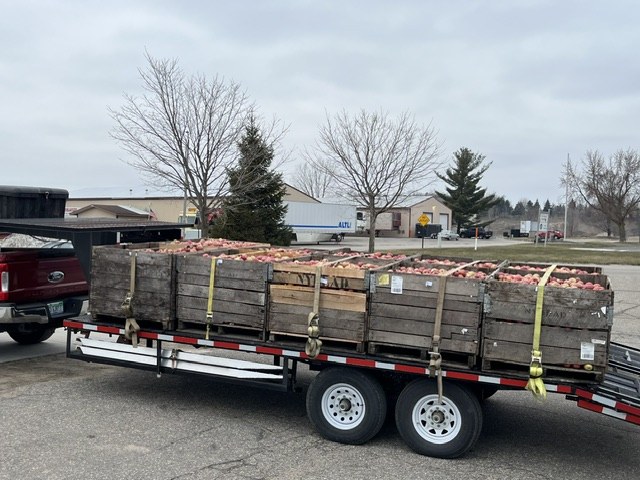
Rescuing surplus harvest
Direct from farmers. Rescuing bulk field surpluses directly before they go to waste.
Direct from grocers. Lakeshore Food Rescue and pantry partnerships intercept excess or near-date grocery and pantry inventory before it spoils.
Step 2
Volunteer preparation
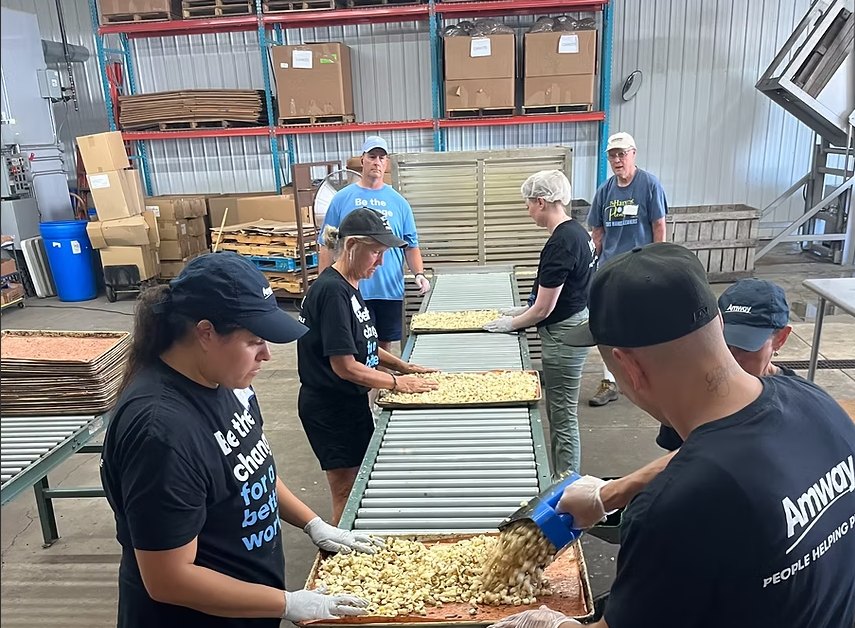
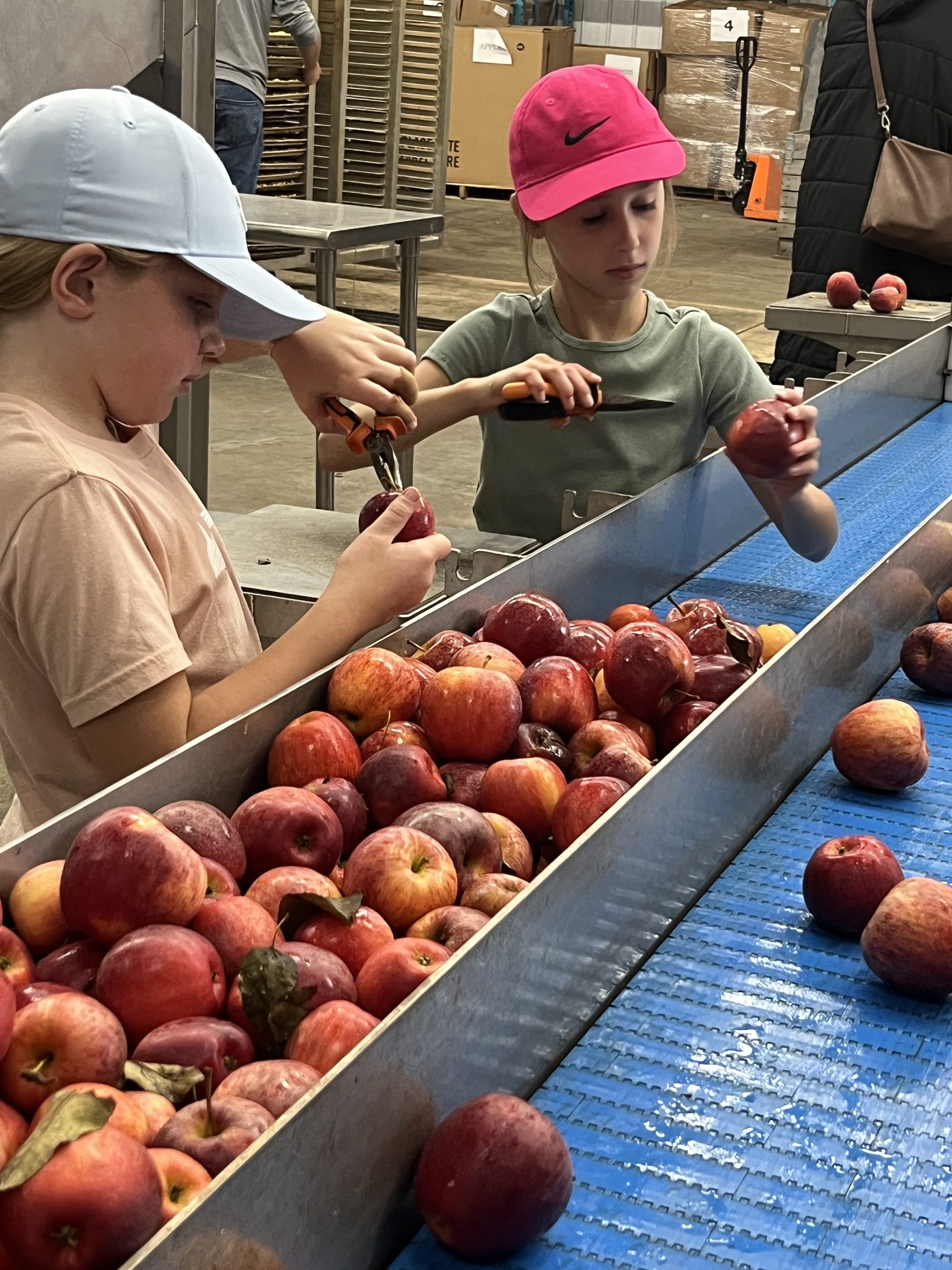
Multi-generational volunteers clean, trim, slice, and prepare produce across our Jenison warehouse prep tables.
That line is our processing power. A grower cannot manually open 5,000 retail-packaged bags of surplus produce to repurpose them. Our volunteers, including groups as young as 2nd graders, unpack that produce and load it onto the conveyor in a single shift.
Step 3
Industrial dehydration
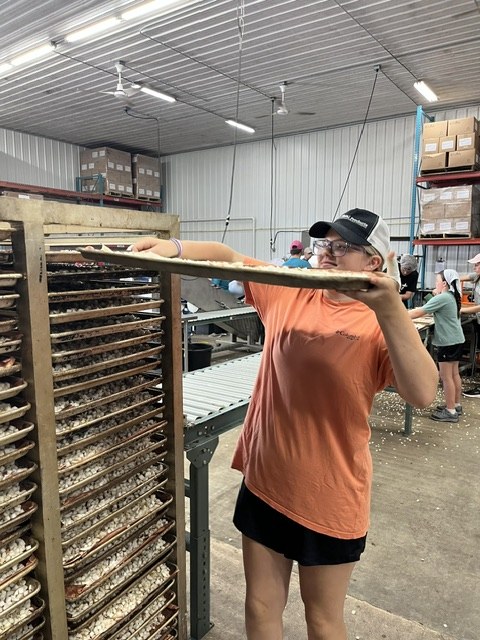
Produce is lined across food-grade mesh trays and dried in commercial dehydrators, maximizing shelf life and nutrient density.
Step 4
Bagging, packing, and shipping
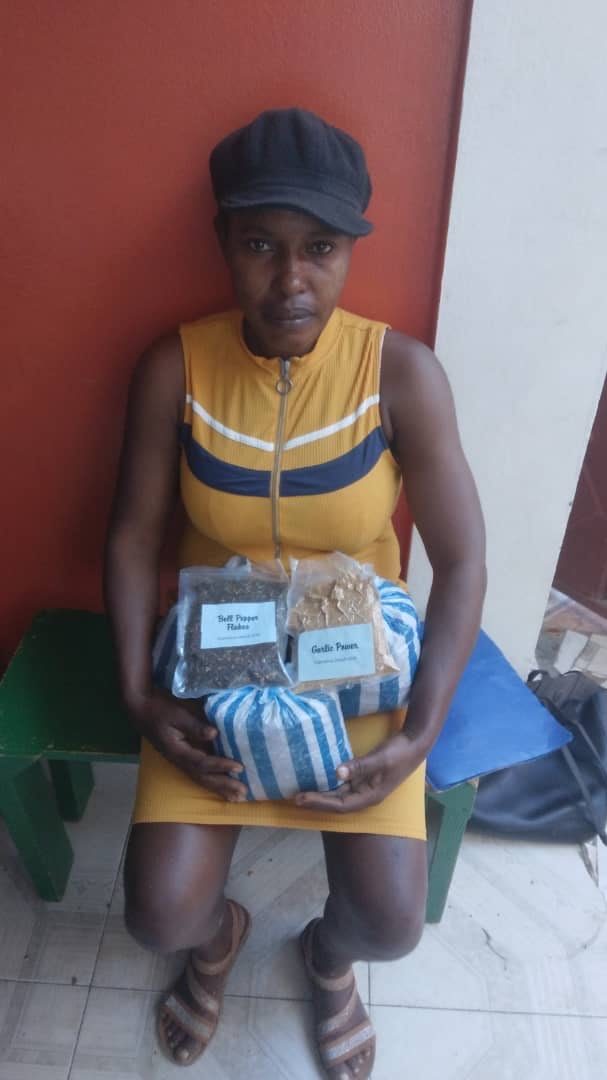
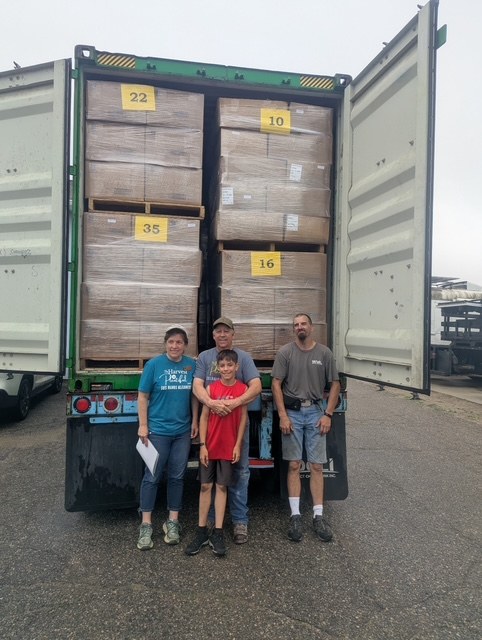
Dried vegetables are bagged, packed into boxes, palletized, and coordinated for international shipping, in Christ's name.
Dehydration technology
90% volume and weight reduction
Minimizes logistics costs, making overseas container freight highly efficient.
Nutritional integrity
Locks in up to 95% of vitamins, fiber, and micronutrients.
2-3 year shelf stability
Requires no refrigeration or specialized climate storage.
Global distribution partners
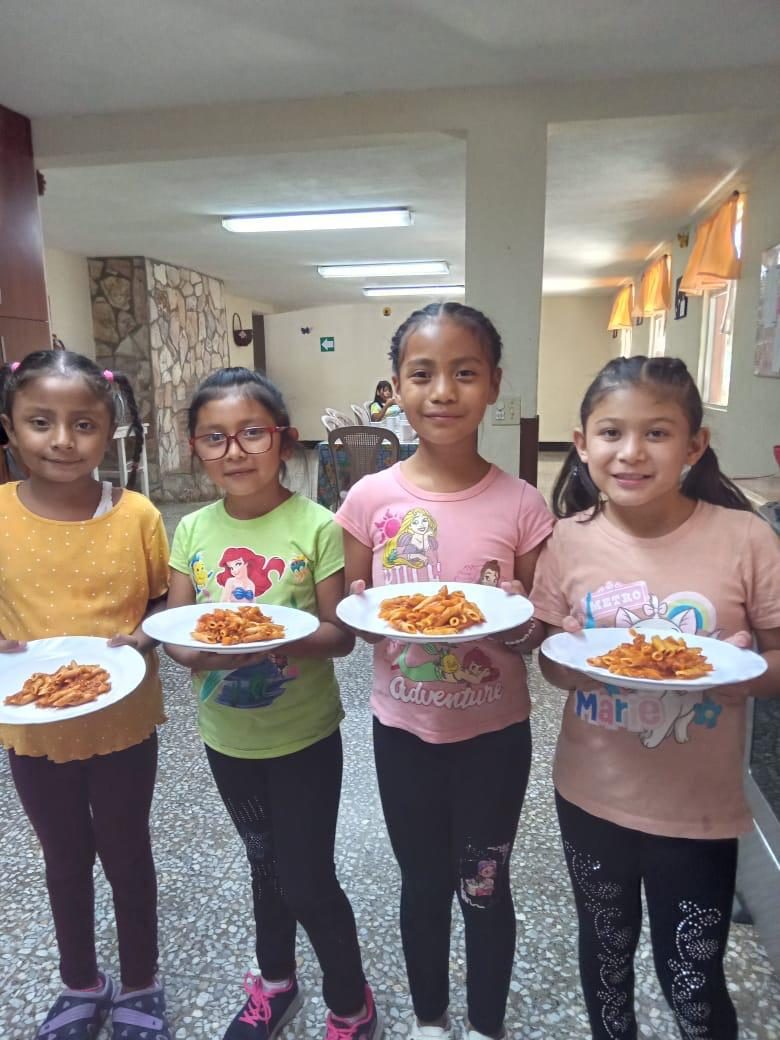
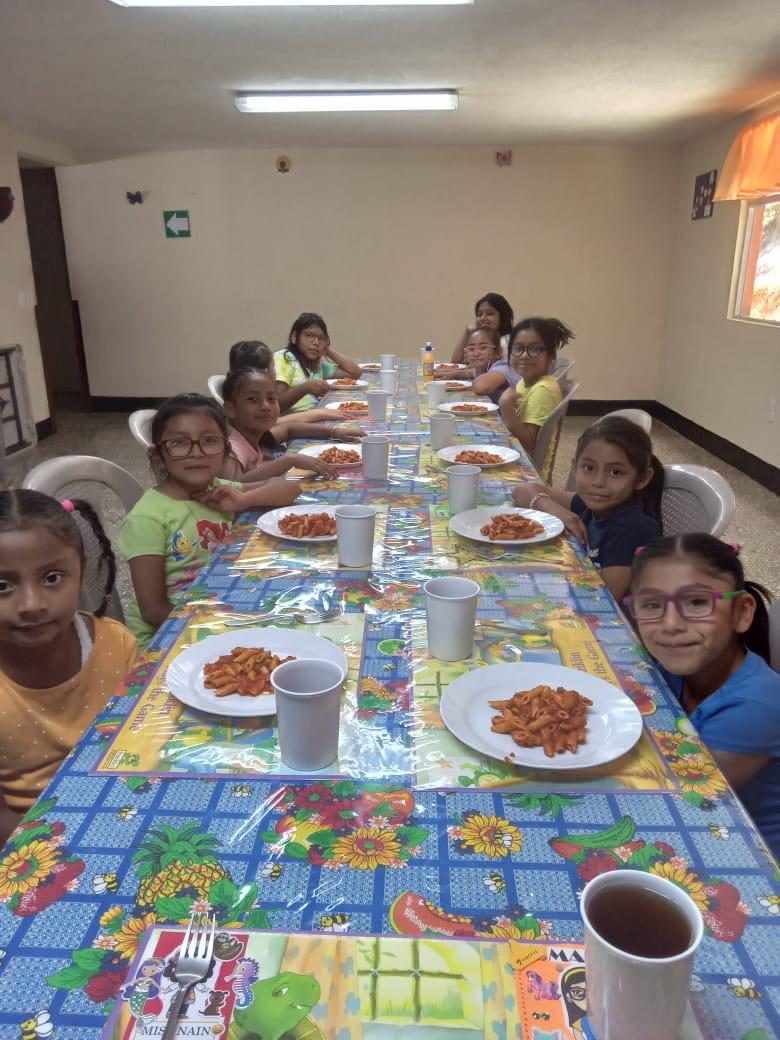
Servings are distributed exclusively through trusted, established mission partners, clinics, and relief teams who ensure direct in-hand delivery to hungry communities.
Dignity in relief. Photography from the field should show joy, human dignity, and authentic community partnership.
Partner communities
Mission partners share meals and dried goods with the people they serve.
Regions served
- Honduras
- Panama
- Haiti
- Guatemala
- South Sudan
- Ukraine
- Syria
- Jordan
- Turkey
- Gaza
- Israel
- Philippines
- Mexico
- Ethiopia
- Albania
- Moldova
- Jamaica
- Dominican Republic
- Cuba
Field testimonials
Short quotes or field stories, with photos of recipients, will go here.